API quota exceeded. You can make 500 requests per day.
@augustcolorbondfencebuilderbpas992
Boundary lines and problems are the components of fencing jobs that a lot of proprietors only consider after something goes wrong. I see it at all times: the articles are in, the rails look straight, and after that the reality strikes. A neighbor inquiries the line. A council officer requests a study. A planning problem appears late. Instantly a clean install ends up being an expensive redo.
If you own Colorbond fencing, or you are planning a new Colorbond fence, this is the overview you wish you had prior to the first blog post holes were dug. Not due to the fact that it will assure approval, but due to the fact that it will aid you make decisions that hold up when examination arrives.
The uncomfortable reality regarding "where the fence is intended to be"
A Colorbond fence is basic from a range. It is steel, it is resilient, it is generally set up with clean, specialist workmanship. Up close, the whole task depends on accuracy: the specific limit, the correct balanced out, the best height, and the correct conformity path for your property.
Most boundary conflicts start the same way. A person thinks they are constructing "on the border" since that is what they have constantly done, or what a previous proprietor did. One more party believes they are entitled to a different interpretation since they have an old fencing line, a yard bed, or a marking they depend on. Then a third fact gets in, building titles and surveys.
Property limits are legal lines. Fence positions are physical items. When you blend both without confirming, you turn what need to be an uncomplicated job into a legal and logistical mess, particularly with fence specialists that are quoting based upon website assumptions.
If you are employing a Colorbond fencing installer or a Colorbond fencing builder, the smartest thing you can do is demand clearness prior to fabrication.
Boundary line versus problem, and why individuals confuse them
A border line is the legal side of your land. A trouble is the range a fencing need to sit from a certain boundary or from the road or other assigned location. Troubles typically exist since councils and neighborhood preparation plans attempt to manage sight lines, water drainage, accessibility, and impacts on streetscapes.
Here is the useful way to think about it:
- A limit identifies the property line.
- An obstacle identifies where your fence can legitimately be put about that line.
You can be "on your border" and still be non compliant if a regional regulation calls for a problem. And you can be "held up" securely and still be wrong if real limit is not where you thought it was.
For Colorbond fencing proprietors, this ends up being extra essential since fencing substitute is where many people discover the fencing they acquire was never ever appropriately straightened, never appropriately accepted, or both.
Why councils appreciate fence placement
Setbacks are hardly ever approximate. From the trades side, the typical factors are straightforward.
Sight lines at edges matter, specifically near intersections or driveways. Some councils call for additional distance so lorries can see each various other when backing out or transforming. Drainage matters too. If your fencing sits where a drainage easement or stormwater line runs, you can produce recurring problems, also if the fence looks fine.
Then there is accessibility. Service passages, energy gain access to, and pathways can impact where fence can be put up or replaced. Some sites have restrictions that are not evident in the backyard.
The key point I desire you to bear in mind is this: when councils request a conformity strategy, they are not attempting to be tough. They are trying to guarantee the fence does not obstruct something it need to not block, which it does not land in a location booked for other purposes.
The real-world trigger points that develop disputes
Most fencing problems I have actually seen with Colorbond fence company work are not concerning the steel. They have to do with borders, offsets, and assumption management.
A couple of circumstances show up once more and again.
First is the "existing fence presumption". Proprietors presume the older fencing is properly placed. Sometimes it is, sometimes it is not. If it has actually been there for decades, the presence of a long standing fence might assist with a sensible outcome, however it does not immediately make it lawful in every council context.
Second is the "shared strategy" problem. If you and your neighbor both agree to a line informally, that is valuable, but it can still conflict with study info or planning requirements.
Third is when a residential or commercial property has an incline or shifting ground. Troubles that were simple on level land come to be unpleasant on a gradient. People attempt to maintain the top rail degree or the fence aesthetically straightened, but after that the messages wind up as well close in one place and also far in another. The steel looks neat, the compliance could not.
Fourth is when a website has solutions. Stormwater, power, or telecom easements can run where you would normally want to set blog posts. Specialists must situate services, however owners still require to be sharp about the positioning results, not simply the appearance.
Before you authorize a Colorbond fencing service provider, validate the basics
If you want your Colorbond fence to stand up, treat border and problem confirmation like part of the construction, not a management afterthought.
This is just one of minority times I will actively advise you hang around on paperwork and dimension. It typically conserves cash later.
Here is a functional verification list I make use of when I am suggesting owners who are planning a brand-new Colorbond fence or replacing one:
- Order or validate a present border study (or request a copy of the existing study if you have one)
- Check regional council secure fencing guidelines, including elevation limits and trouble distances
- Confirm whether any kind of easements or drain lines run along or with the location where articles are planned
- Ask the installer to reveal the intended article lines and offsets on-site prior to holes are dug
- Decide how you will deal with any kind of overlap between "design preference" and conformity requirements
That last factor is critical. Proprietors usually pick an elevation because it obstructs sound or boosts personal privacy, then think they can "make it function" within trouble rules. Often you can. Sometimes you can not. The fencing requires to match the conformity path, not the various other way around.
Height, panels, and the compliance trap
Owners generally concentrate on the appearance: color selection, slat design, framing, and the clean coating of Colorbond bed linen. Height is likewise a large bargain, due to the fact that it impacts personal privacy and wind resistance.
But conformity is normally regarding elevation measured in the means the rules define, and occasionally regarding where the ground level is thought about. On irregular surface, a fencing can be certified at one end and non compliant at the various other if the regulations utilize certain dimension points.
This is where profession experience assists. An installer who comprehends setbacks will certainly intend the rail and post format with compliance dimension in mind. A contractor that only appreciates "a straight looking fence" can inadvertently create a legal issue also when the workmanship is excellent.
When you speak with a Colorbond fencing installer or a Colorbond fencing builder, ask the uneasy inquiry: "Just how will you make certain the fence satisfies the elevation and trouble guidelines on this particular website, consisting of the irregular ground?"
A good professional should be comfortable answering. If they respond like you are being tough, that is your cue to slow down.
Dealing with the neighbour discussion without turning it into war
Boundary concerns are emotional. Even if you are 100 percent convinced you are right, the discussion can spiral quickly. You desire agreement, not a debate about who has the very best memory.
I have discovered a calm, evidence led technique jobs much better than a "my rights" approach.
Start with the common goal. You both desire a fence that looks excellent, lasts, and does not create issues. Then secure the discussion in measurable truths, a survey, a strategy, and the compliance requirements.
If you are Colorbond fence cost estimator setting up a Colorbond fence on or near the boundary, think about doing a brief site stroll with your professional existing. You can inquire to mark the suggested blog post lines relative to the limit strategy. You are generally transforming a debate into a common visual.
If a neighbour presses back, request for their basis. Sometimes they have a strategy. Occasionally they have old measurements. Sometimes they do not. Regardless, you can after that decide just how much you need to validate prior to you proceed.
The trick is to keep the procedure structured. "We'll build it here" is a setting. "Here is where the study reveals the limit is, and below is where the setback need puts the fencing" is a process.
Setbacks alter the style you think you are buying
Setbacks can force compromises that owners do not anticipate.
Imagine you intended a fence line to straighten perfectly with a garden bed or a preserving side. If a council policy calls for a countered, the fence could require to be moved. That can create problems with entrance placement, boundary vegetation clearance, and the ability to maintain the location obtainable for maintenance.
On slim blocks, an obstacle can additionally reduce usable space. Owners then desire changes to the fencing to "fit the lawn," but the regulations usually do not bend for aesthetics.
This is where seasoned Colorbond fence home builders add value. They do not just set up panels. They work with layout decisions early so the fence fits both conformity and practical life.
If a professional appears unwilling to talk about planning constraints before pricing estimate, be careful. You might be spending for a fence that looks great on the first day and needs modifications after authorizations or neighbour complaints.
Where the discomfort frequently starts with older fences
If you are replacing an existing Colorbond fence, or switching from timber to Colorbond, boundary analysis ends up being a lot more complicated.
Old fences could have been erected when various guidelines used. Some councils have actually transformed elevation limits. Some councils have made clear dimension techniques. The old fence might additionally be "close sufficient" to the boundary line that no one questioned it for years. That does not suggest it complies now.
Owners sometimes believe they can repair what is harmed and keep everything in the exact same location. However if the replacement causes the requirement to meet existing requirements, you might have to move the fence or alter its height.
A cautious method is to treat replacements as compliance tasks, not cosmetic upgrades. Ask the installer and your neighborhood council whether the replacement alters the approval pathway. If you want a fast response, request assistance in composing or at least catch the council reaction details.
If you are dealing with Colorbond fence contractors, see to it your contract plainly specifies what compliance steps are included. Do not think it is automatic.
What to ask your Colorbond fencing company prior to they quote
A quote is not simply a rate. It is an implicit strategy. If the strategy is vague, you will certainly lug the threat later.
Here are the inquiries I recommend owners ask. Keep it straight, and tie each question to an outcome you respect: placement, compliance, and price control.
Ask how they figure out the boundary line and obstacle locations on your whole lot. Ask what takes place if the significant post lines conflict with the boundary survey. Ask who is in charge of locating easements and utilities. Ask exactly how they measure elevation, especially on sloped websites. And ask what authorizations are needed for your particular situation.
A top quality Colorbond fencing installer, Colorbond fence installer, or Colorbond fencing company need to welcome these concerns. If you obtain generic answers, promote website certain explanations.
This is likewise where it aids to inquire about paperwork. Do they offer a design drawing? Do they note the proposed article settings on-site with you before job starts? Can they explain the clearance around entrances and any offsets required for maintenance?
The tradeoff is time. The benefit is less surprises.
The grey areas: when "it looks ideal" is bad enough
Some fencing lines are difficult despite having a survey. That is due to the fact that real websites have genuine concerns: uneven surface, tree origins, buried solutions, and unpleasant driveways.
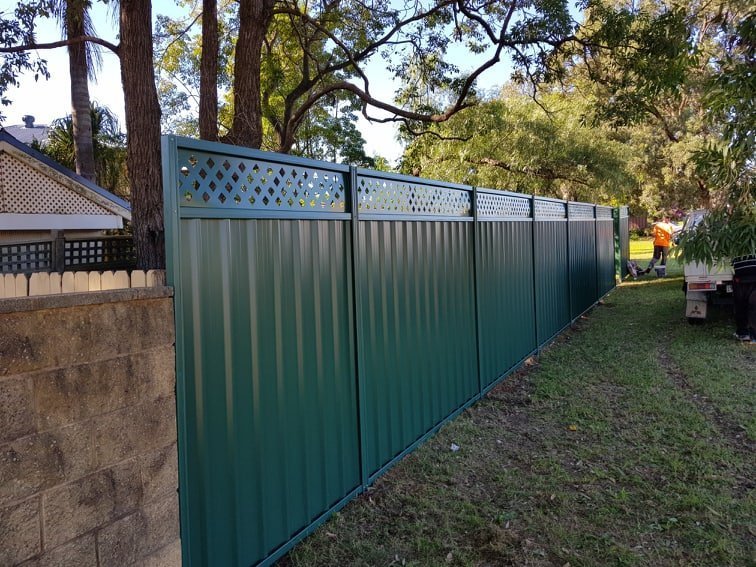
One common grey location is edge residential properties. Sightline guidelines can need offsets that differ from straight limit runs. One more is when there is a laneway, COLORBOND Bunnings prices accessibility roadway, or public edge interaction. Also if you are fencing "your side," the policies can still deal with the verge border as special.
Another grey location is when neighbours both desire privacy. They could agree on a higher fencing, but approvals and conformity might still restrict what is enabled. Agreement does not always bypass council requirements. You might still need to adhere to elevation and placement policies even if your neighbor indicators off.
If you are counting on a handshake contract, treat it as a helpful step, not a legal solution.
A short word on conflicts and practical escalation
If a neighbour contests the fencing positioning, keep your concentrate on facts and resolution. Avoid threats. Avoid ambush discussions. If you currently built, quit any more work and obtain quality fast.
In most cases, the cleanest resolution path is to: 1) determine the boundary making use of a survey, 2) confirm the current guidelines that put on your lot, 3) contrast the fence position to those guidelines, 4) agree on remediation if needed.
If you have a recurring disagreement, it may move right into formal networks. I am not suggesting you jump directly right into that. Yet you need to also not drag your feet. A fencing is a fixed property as soon as built, and adjustments obtain extra pricey as products and landscape design get secured in.
This is where the selection of professional issues. A liable Colorbond fencing contractor need to be able to assist with rehabilitative preparation and explain the steps plainly, especially if the issue is placement and not workmanship.
How to maintain a Colorbond fence compliant over time
Owners sometimes assume compliance is a one-off event. Develop it as soon as, and you are done. Not always.
Even if your fence is certified at setup, you can mistakenly change conformity with later alterations. Cutting sheet heights, adding dealings with that modify the efficient height, or setting up strong toppings could affect measurement rules.
Land degrees likewise transform in some scenarios. Preserving job, yard improving, or water drainage adjustments can change where the council determines ground degree, depending upon local rules. That is not something most people think of when they grow a brand-new hedge or move dirt around the base.
To safeguard on your own, maintain a document of the installation details. Keep any drawings, conformity documents, and authorizations you obtained. If you ever replant or build a maintaining edge that elevates ground degree near the fence, time out and think about whether it transforms just how the fence is measured.
For long-term owners, this is the distinction in between "it has always been great" and "why is this instantly a problem."
Choosing the appropriate installer makes boundary work easier
If you are contrasting Colorbond fencing contractors, look past the per metre rate. Ask about how they handle limit verification, how they take care of troubles, and whether they can plan for difficult sites.
A great installer or contractor will certainly not only install the steel panels. They will intend the design so the fence winds up where it ought to be, and they will certainly clarify the tradeoffs clearly. They will likewise coordinate gateways, posts, and rails so useful use does not obtain given up for a stringent line.
This is where I like to work with teams that can speak with you about the "why," not just the "how." If they can describe why they are putting a message where they are, and what guideline drives a balanced out, you will certainly have less concerns after the fact.
What takes place if your fence is already in the wrong place
If you presume your existing Colorbond fence is also close or too expensive, do not panic. The action must be measured.
Start by confirming boundaries and obstacles with a present survey and council guidance. After that compare the fence setting to those information. If the issue is tiny, there might be options such as rearranging certain sections, adjusting elevation, or customizing aspects. If it is much more substantial, a bigger remediation may be required.
The trick is to avoid guessing. Presuming leads to costly rework.
When you speak to a Colorbond fence builder for recommendations, ask to examine conformity risk, not just handiwork. You desire someone who can recognize what would likely be flagged, and what the sensible remediation course looks like.
Practical next actions for Colorbond fence owners ideal now
If you are intending a brand-new fence, your prompt move is uncomplicated: lock in the border and setback assumptions prior to anything is manufactured. If you are taking care of an existing fence, you still benefit from the exact same technique, however you start with confirmation as opposed to design.
Decide whether you need a study. If you are unsure, ask your contractor what they typically do when limits are not clear. Many Colorbond fencing installers will work with existing plans, but the best ones will certainly also inform you when a survey is non negotiable.
Then get council assistance. If your fence proposition goes across specific limits, approvals may be required. Also when authorizations are not constantly required, setback policies typically still apply.
Finally, document the process. A tidy paper trail shields you if a neighbour later on tests the positioning, or if a council examination requires clarification.
That could seem like job, but it is more affordable than relocating a steel fence after it is mounted, repainted, and surrounded by landscaping.
A reality check on cost and timeline
Boundary and setback job affects both price and time. A survey might take added days. Council support can take longer depending upon how intricate the great deal is. Setting out the fence line properly can additionally take more time on website, specifically if you have a sloping backyard or challenging access.
But right here is the advantage I have found out to stress with proprietors: a proper placement conserves you from the costly rework phase. It also decreases the chance you will wind up in a neighbor disagreement that drains pipes months.
A Colorbond fence is indicated to be long-term. If you prepare for limit reality and trouble needs early, you reach appreciate what you got, the sturdiness and the clean surface, without bring conformity stress every time somebody considers the fencing line.
If you want one takeaway, make limit and setbacks part of the construct, not component of the problem.